
Clear aligners aren’t failing patients. Clinicians are.
OPINION | Dr John Hagiliassis
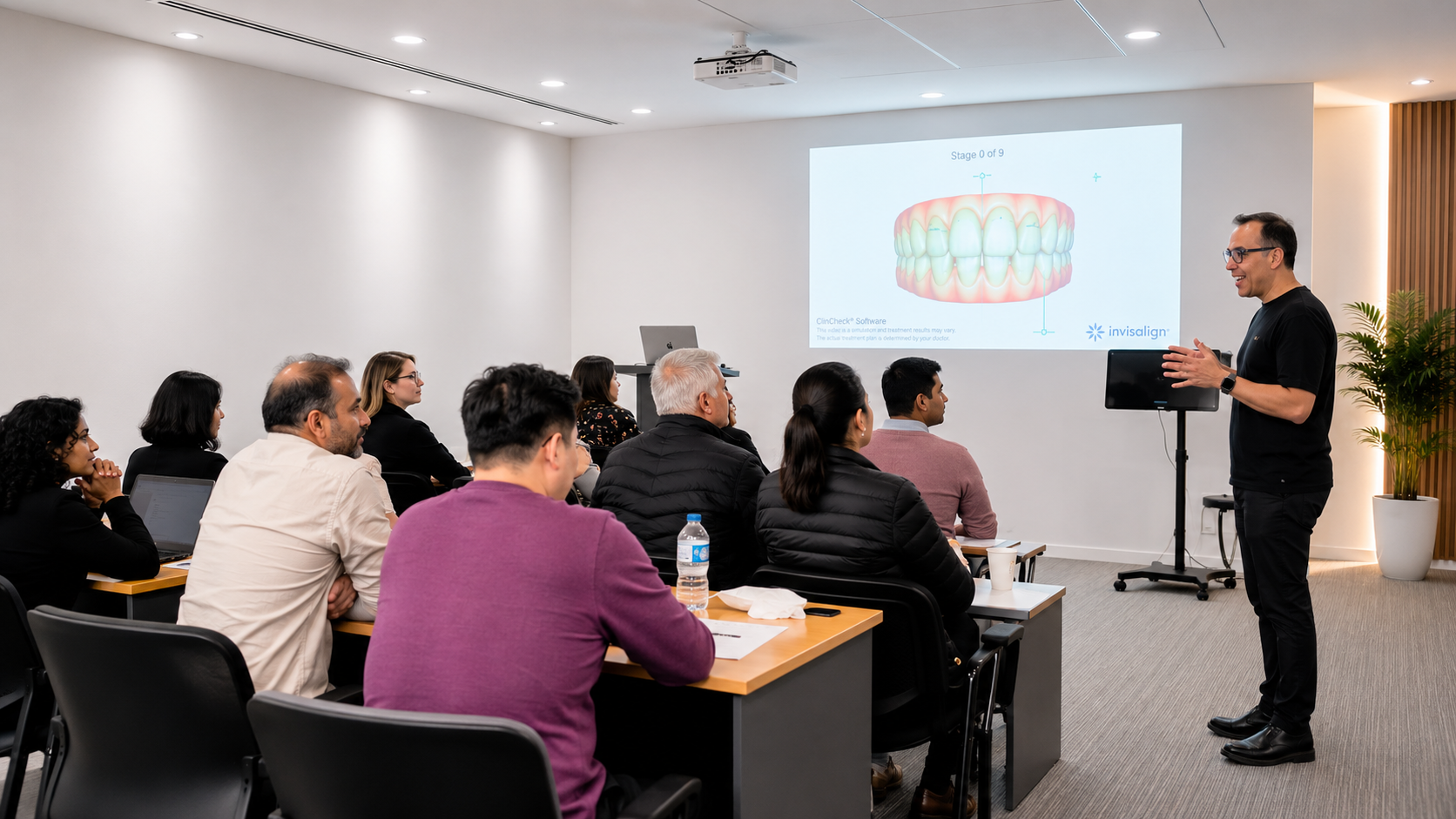
There is a moment in every clinician’s career when a new skill set stops feeling like an opportunity and starts feeling like a responsibility. For many dentists, clear aligner therapy is that moment.
It is easy to understand the appeal. Clear aligners have transformed the way patients think about orthodontic treatment. They are discreet, digitally planned, commercially attractive and increasingly expected by patients who want aesthetic outcomes without the perceived inconvenience of fixed appliances. For clinicians, they offer an exciting pathway into a new area of care, one that can enhance patient experience, broaden treatment possibilities and integrate beautifully with restorative and aesthetic dentistry.
But beneath the polished simulations, the elegant treatment plans and the promise of digital convenience sits a truth we must be honest enough to acknowledge: clear aligners can make orthodontics look deceptively simple.
A digital setup can create the impression that the result is already secured. A patient can see a future smile and feel emotionally reassured. A clinician can look at the staged movements and feel comforted by the apparent logic of the plan. The technology can be impressive, persuasive and, at times, dangerously confidence-building. Yet the software is not the diagnosis. The aligner is not the true treatment. The simulation is not real biology.
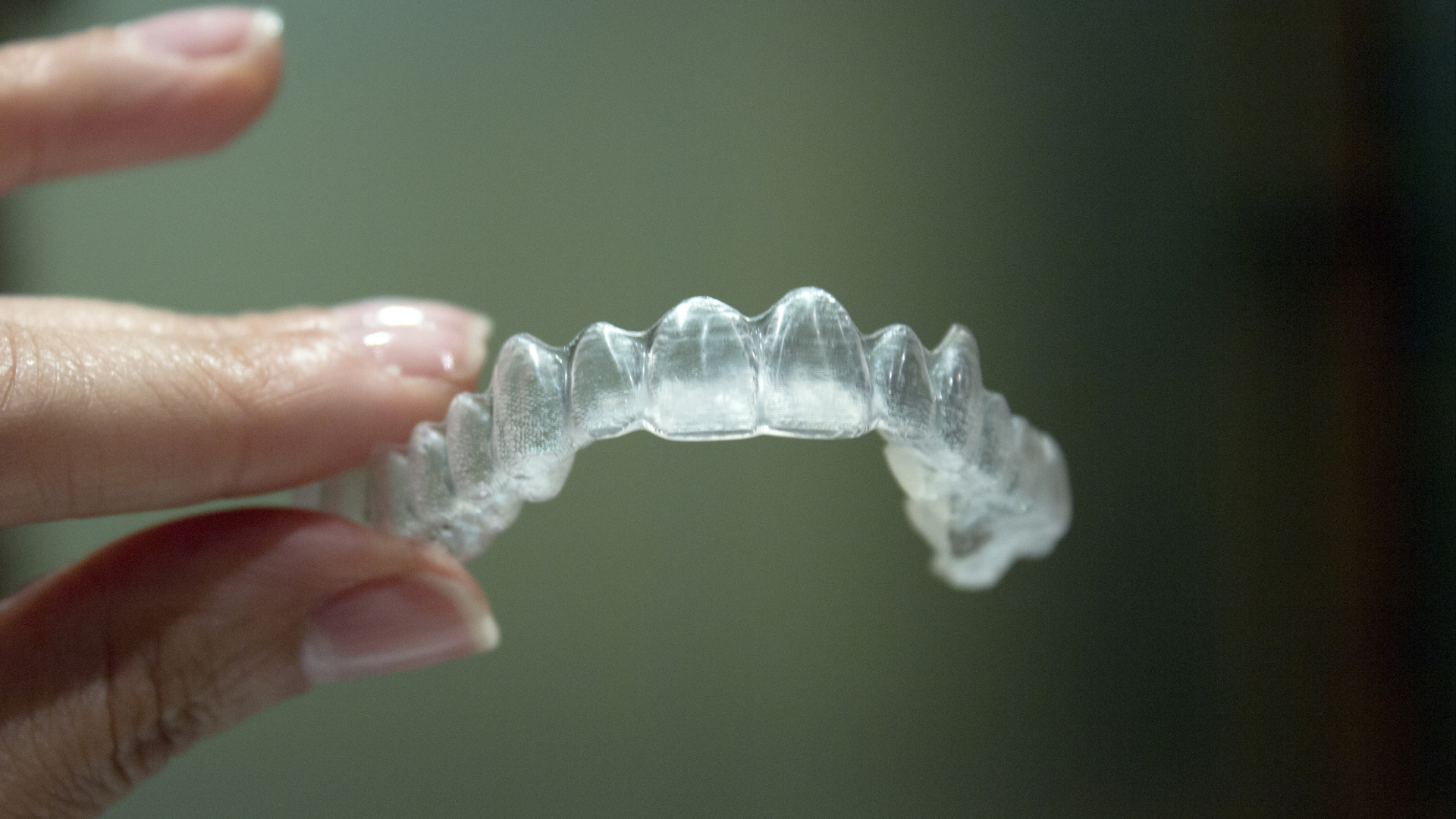
Clear aligner therapy is a journey. Like any journey into the unknown, it comes with excitement, uncertainty and risk. We may begin with confidence, only to discover obstacles along the way: poor tracking, unrealistic expectations, compromised compliance, movements that do not express as planned, refinements that drag on, or final outcomes that do not match what the patient thought they were signing up for.
The legendary journey of Odysseus reminds us that even when the destination is familiar, the path home can be filled with detours. In clear aligner treatment, our destination may seem obvious: a happy patient, a functional bite, a beautiful smile and a predictable finish. But anyone who has treated enough cases knows that getting there safely requires more than enthusiasm and technology. It requires a way to navigate.
Every successful journey needs a compass. In clear aligner therapy, that compass is the shared end goal between patient and clinician. Before a case begins, the clinician must know where they are going. Not vaguely. Not simply “straighter teeth”. Not merely the default finish proposed by an aligner company. The destination must be clinically and emotionally clear.
What does the patient want? What does the patient need? What is biologically realistic? What compromises are acceptable? What aesthetic outcome is being pursued? What functional outcome must be protected? What will success look like when the aligners come off? This is where many cases are won or lost before the first aligner is ever fitted.
A digital setup can be a powerful communication tool. It can help a patient visualise the future, understand the proposed treatment and feel connected to the process. But the clinician must remain the navigator. Technology should support diagnosis and treatment planning, not replace it. If the patient expects Sydney and the clinician is steering toward New York, even the most advanced technology will only help them arrive at the wrong destination faster.
Once the destination is clear, the clinician needs a map. In clear aligner therapy, that map is the accumulated knowledge that guides safe treatment planning: biomechanics, movement sequencing, attachment strategy, interproximal reduction, elastic use, finishing objectives, risk assessment and case selection. This is where preferences matter.
Too often, aligner treatment is approached as though the manufacturer’s default setup is the plan. It is not. It is a proposal. The clinician must interrogate it, refine it and ensure it reflects their own clinical philosophy, the patient’s expectations and the biological reality of the case.
Preferences should never be an afterthought. They influence when attachments are placed, where they are placed, how IPR is staged, how elastics are used, how movements are sequenced and how the final result is defined. They can affect patient convenience, clinical efficiency, treatment predictability and professional confidence.
Repeatedly asking a patient to return for small amounts of IPR every few aligners may be frustrating for the patient and inefficient for the practice. Difficult rotations, anterior-posterior corrections, deep bite correction, open bite correction and crossbite correction may require staged sequencing rather than blind reliance on en masse movement. Movements that look acceptable on screen may not be biologically sensible in the mouth.
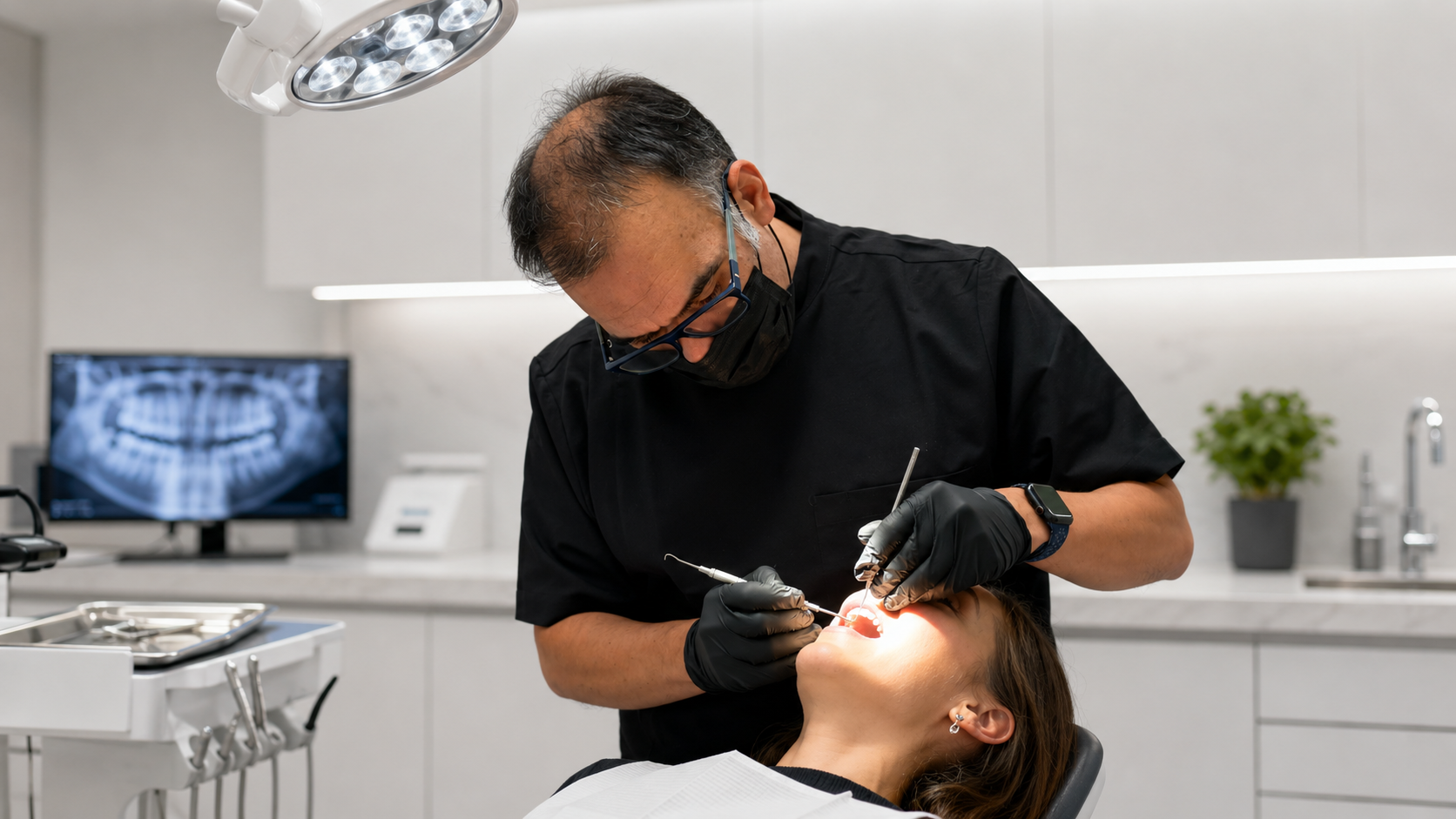
The experienced clinician learns to recognise which movements are simple, which are advanced and which are warning signs. They learn when to slow down, when to stage, when to use auxiliaries, when to simplify and when to say no.
That judgement is not built overnight. It comes from education, repetition, reflection, mentorship and honest review of outcomes. It comes from learning what works within your own control. It comes from accepting that failure is not something to be hidden, but something to be examined and used to improve the next case. Then comes the technology.
We live in an age where GPS can guide almost every part of our daily lives. It calculates the route, estimates the arrival time, redirects us around traffic and gives us step-by-step instructions. In dentistry, our version of GPS is increasingly powerful: digital treatment planning, artificial intelligence, remote monitoring, compliance tracking and automated alerts.
These tools are extraordinary. They can make treatment more transparent, more efficient and more responsive. They can help clinicians track aligner fit, identify compliance issues earlier, reassure patients during treatment and reduce unnecessary appointments. They can provide real-time feedback that helps us understand whether the plan is working as intended. But GPS only works when the destination is correct and the person using it understands the journey.
This is the danger of relying on aligner technology alone. A clinician who simply accepts a setup because the software appears convincing may be outsourcing judgement to a system that does not fully understand the patient, the biology or the desired clinical outcome. Technology can assist. It can automate. It can alert. It can visualise. It can monitor. But it cannot carry the ethical responsibility of treatment. That remains with the clinician. The future of clear aligner therapy is not less clinician involvement. It is better clinician involvement, supported by smarter tools. That is the part that excites me most.
We are standing at the edge of a new chapter in clear aligner education, planning and support. A chapter where dentists do not have to feel lost at sea. A chapter where clinical confidence is built through structure, not guesswork. A chapter where technology is used intelligently, not passively. A chapter where the clinician is empowered to lead the journey with clearer thinking, better systems and stronger support.
For the novice clinician, this matters. The early stages of clear aligner therapy can be filled with confidence one day and doubt the next. The Dunning-Kruger effect is real in every developing skill set. We can feel capable before we fully understand what we do not yet know. In clear aligners, that gap can have consequences for patients, practices and professional confidence. The answer is not to avoid clear aligners. The answer is to approach them with humility, discipline and the right framework.
Clinicians should be asking themselves: have I clearly defined the patient’s desired outcome and my clinical objectives? Have I communicated those objectives clearly? Do my preferences reflect the needs of this case? Have I assessed the biological difficulty of the proposed movements? Have I reviewed the sequencing, attachments, IPR and auxiliaries with intention? Am I using technology to support oversight rather than replace judgement? Do I have the guidance I need when a case becomes more complex? These questions are not barriers to clear aligner success. They are the foundations of it.
The promise of clear aligners is enormous. They can improve access to orthodontic care, enhance patient experience, support restorative and aesthetic dentistry, and give clinicians powerful new ways to plan and deliver treatment. But the profession must resist the temptation to confuse convenience with simplicity.
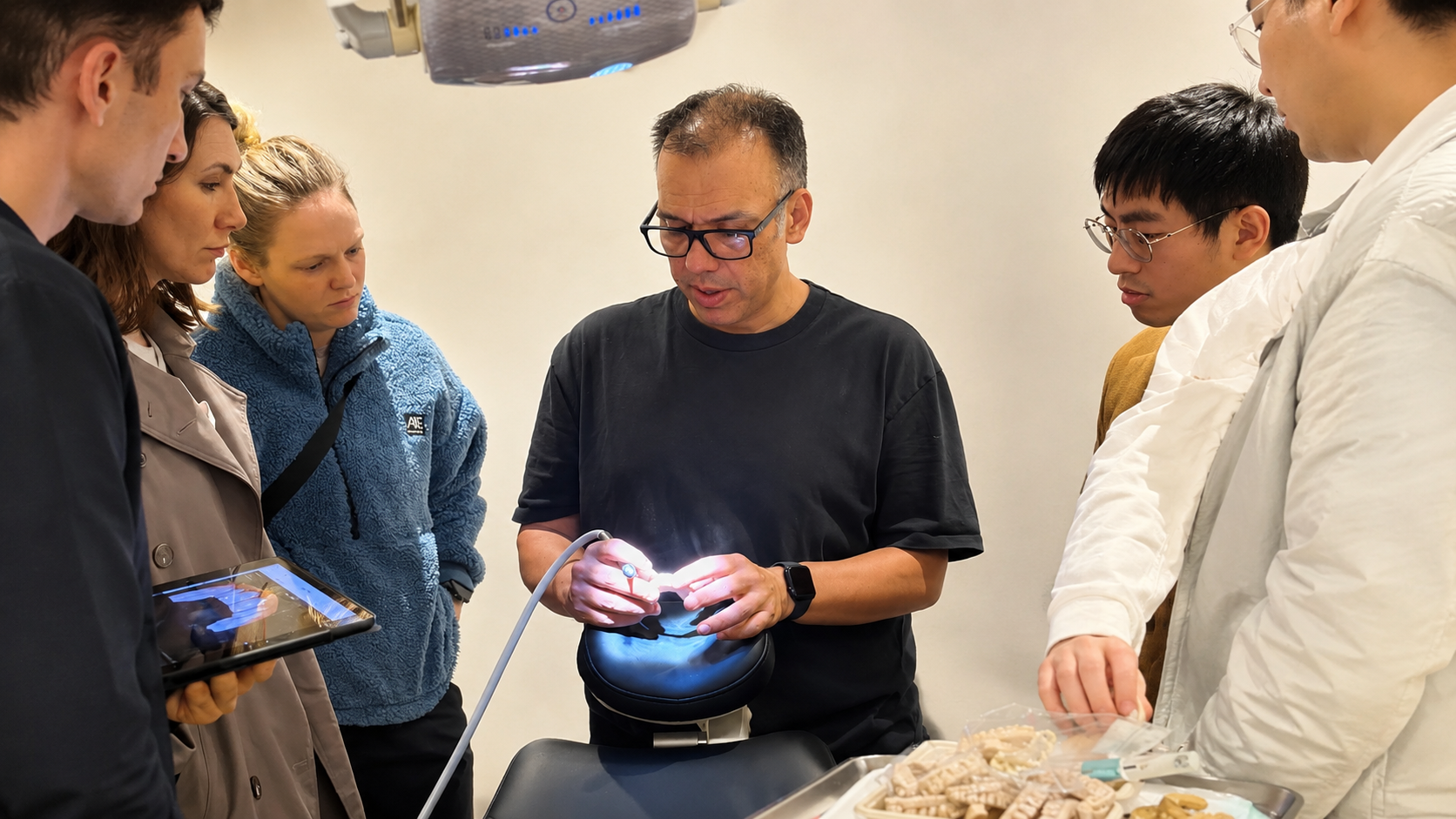
Clear aligner therapy is not a shortcut. It is a clinical journey.
To navigate it safely, clinicians need a compass, a map and intelligent support. The compass is the patient-centred end goal. The map is the clinical knowledge and system that guides treatment planning. The intelligent support is the technology that helps us monitor, adapt and stay on course.
Something is coming for clinicians who want to approach clear aligners differently. For those who want more than a simulation. For those who want to build confidence with structure. For those who believe technology should elevate clinical judgement, not replace it. For those who want to treat with greater clarity, predictability and purpose.
This is not about making clear aligners look easy. It is about making clear aligner therapy safer, smarter and more achievable for the clinicians ready to take the journey seriously. The destination is not simply straighter teeth. It is a more confident clinician, a more informed patient and a result reached with intention. And the journey is beginning.
Follow the Geni to learn more about what’s coming.
About Dr John
Dr John Hagiliassis is a highly respected clinician, educator and entrepreneur with a distinguished career spanning general, cosmetic and orthodontic dentistry. Since graduating from The University of Melbourne in 1995 with a Bachelor of Dental Science, John has built a reputation for clinical excellence, innovation and a deep commitment to advancing the dental profession.
With extensive postgraduate training in restorative and cosmetic dentistry, John has continually refined his expertise to remain at the forefront of modern clinical practice. In 2016, he was among the first graduates of the Graduate Diploma in Orthodontics for clear aligner therapy, reflecting his early commitment to one of dentistry’s fastest-evolving treatment areas.
As an educator, John has lectured and mentored widely, supporting both emerging dentists and experienced practitioners seeking to expand their skills. His teaching is grounded in real-world clinical experience, clear communication and a genuine commitment to helping clinicians build confidence, improve patient outcomes and deliver treatment they can be proud of.
John’s leadership in clear aligner therapy has been recognised at the highest levels. In 2011, he was awarded Invisalign Platinum Elite Provider status, and in 2019 he received a Lifetime Achievement Award from Invisalign after completing more than 3,000 Invisalign cases. His work has also been published in international case galleries as a leading example of what can be achieved through advanced clear aligner treatment.
Driven by a passion for technology, education and clinical excellence, John has introduced a number of innovations that have helped shape the future of dentistry in Australia. He was among the first practitioners in the country to adopt the iTero digital impression system, demonstrating the forward-thinking approach that continues to define his work as a clinician, mentor and dental entrepreneur.